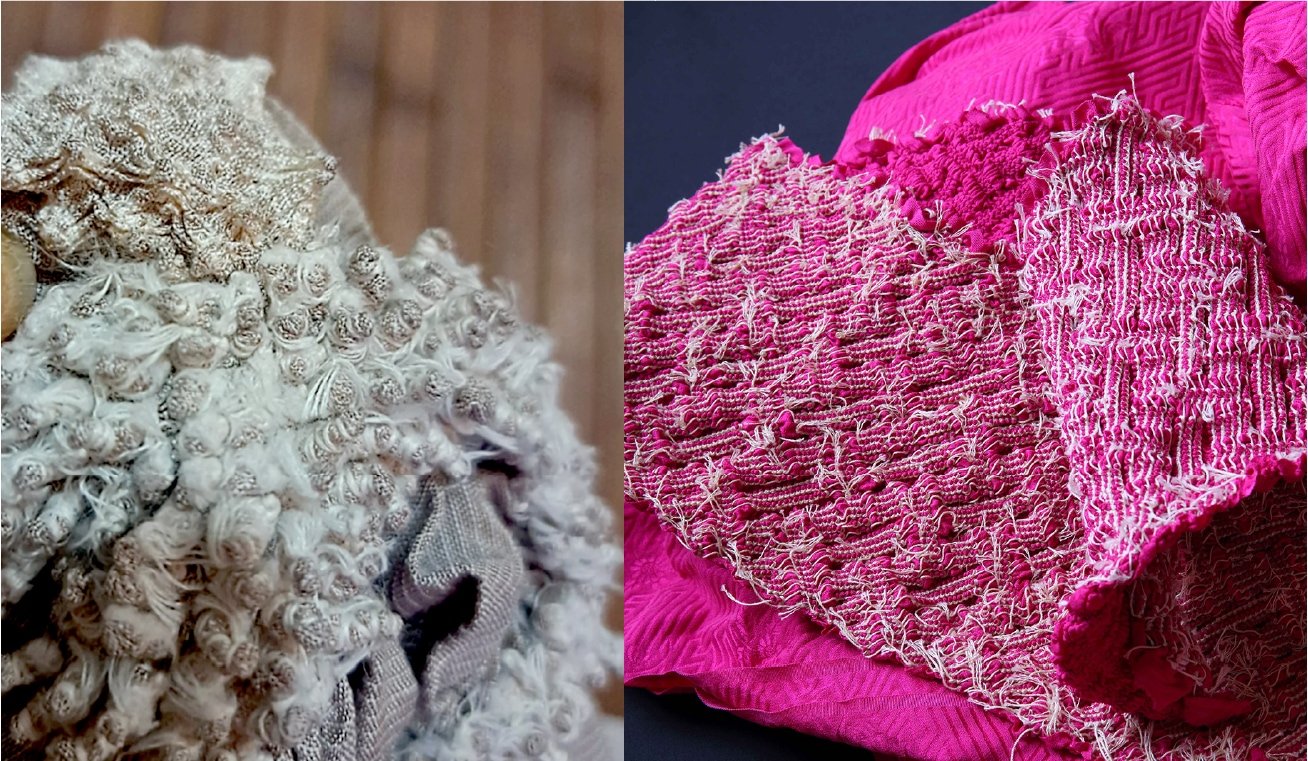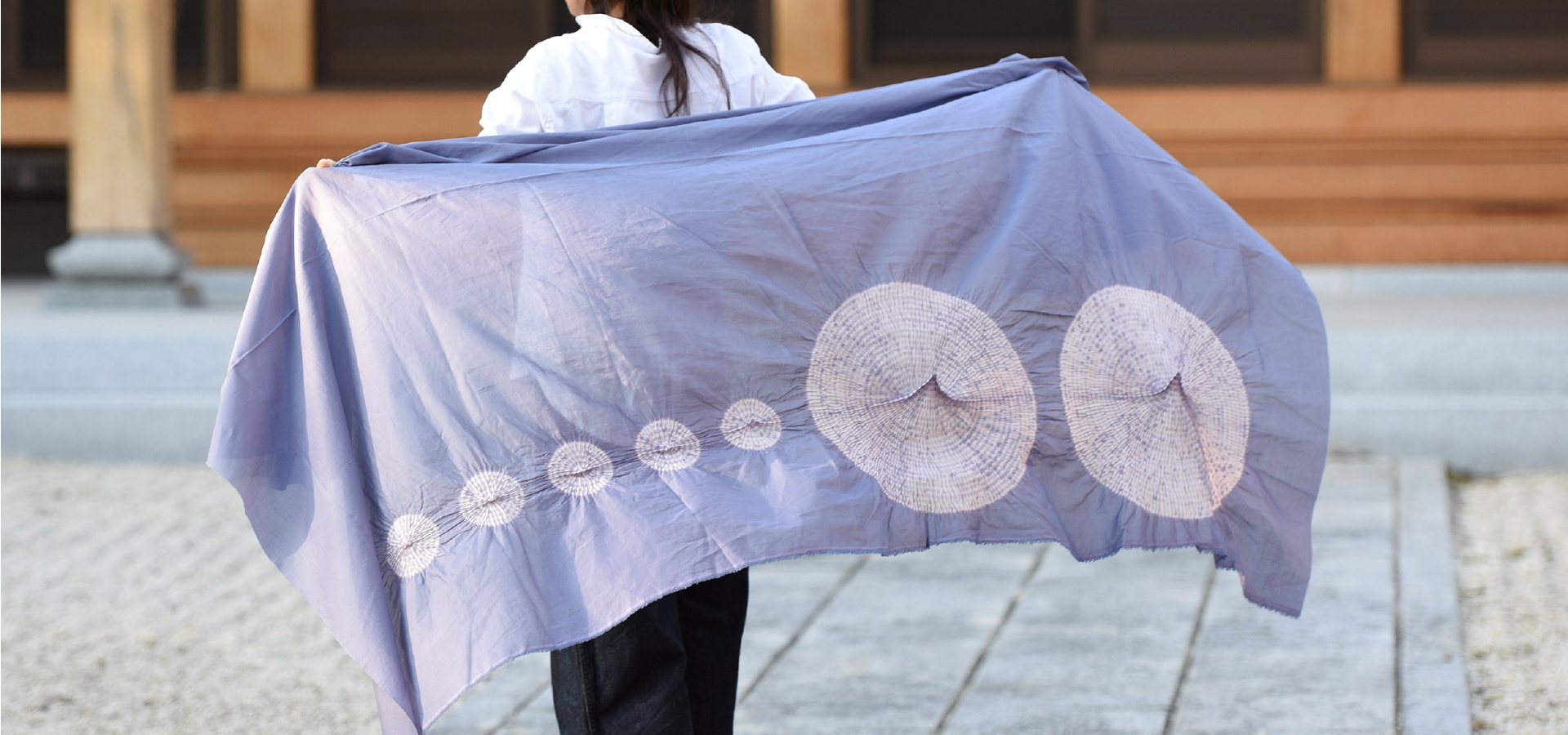
Wear the Art of Shibori. Feel the Hand of the Maker
One-of-a-kind garments and accessories, handcrafted from start to finish by a single artist.
Shibori is an art of dyeing that transforms cloth into beauty, practiced across generations from formal kimono to everyday textiles.
Through the time-honored techniques of Arimatsu–Narumi shibori, traditional motifs and the living forms of nature emerge on kimono, yukata, scarves, and bags.
Reimagined for contemporary life, shibori is refined through the artist’s sensibility and touched with quiet innovation—offering moments to wear tradition itself.
Honoring those who came before, we safeguard classical methods while pursuing comfort and beauty for the present day.
Profile
Aki OGASAWARA
Graduated from Kobe University’s Graduate School.
In 2004, she started to receive the training of Arimatu Shibori, a traditional tie-dye craft, in the human resource development project of Aichi Shibori Industry Association. Since then, she has learned various tie-dye skills from ten masters of the craft so far.
In 2005, she set up the independent production group “Shiraume Koubou” with her craft companions and exhibited her works at Arimatu Shibori Festival.
In 2011, her brand ‘SOKU’ was established. After that, she was responsible for tying part in the process for making a yukata, an informal cotton kimono, of the sumo wrestler Yokozuna Hakuho.

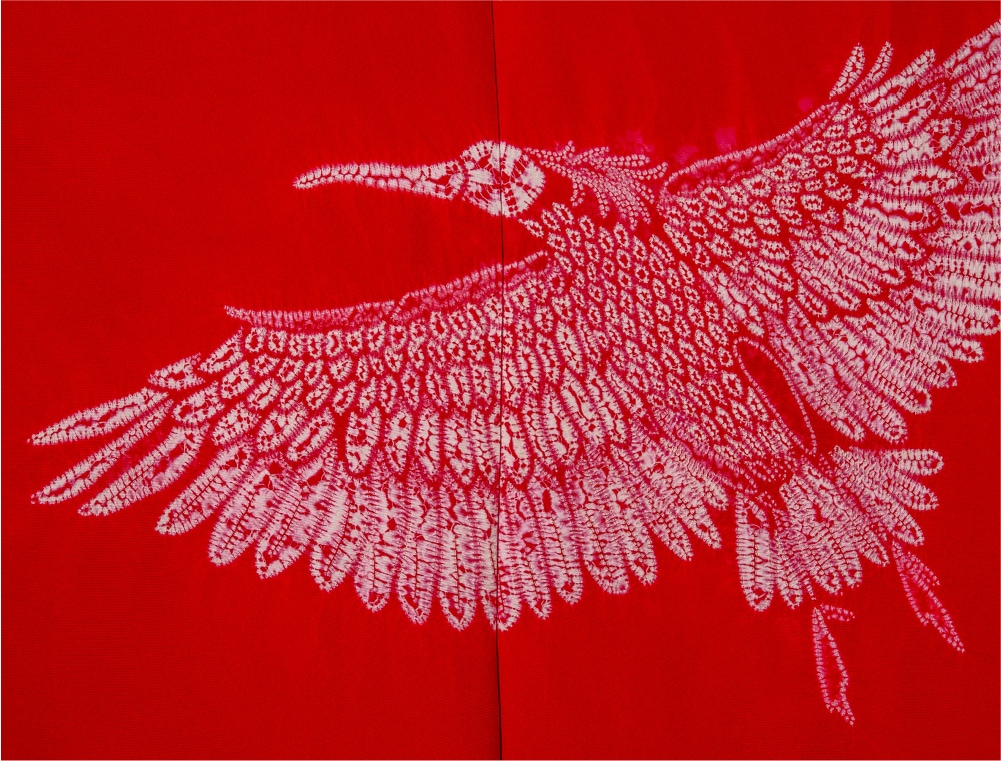
About Shibori, tie-dyeing
It seems humans have wanted to color cloths in their daily lives beautifully since long ago. Tie-dyeing is the most primitive coloring technique and the ancient tie-dyed fabrics were found from the ruins in Central Asia and Peru. Even now, tie-dyeing is going on all over the world. Around the 7th century, tie-dyeing was introduced into Japan. Since then, it has developed dramatically without parallel in other regions of the world and has been passed down to the present day.
Although the techniques of hand work which takes time and effort is becoming less now, we ‘SOKU’, while sticking to handwork, have been designing and creating the tie-dyed works such as cloths and kimono with other Japanese craftpersons.
Production Process
① Designing
② Engraving
③ Printing
④ Sewing
⑤ Tying
⑥ Dyeing
⑦ Removing threads
⑧ Steaming and stretching